






















As athletes, the relentless training hours and constant effort for improvement shape our lives. Growing up, playing multiple sports, having early morning practices and training frequently was how I spent most of my time. As sports began to become a part of me, taking days off for recovery was not prioritized. In a culture that values constant effort, rest often felt like the opposite of commitment.
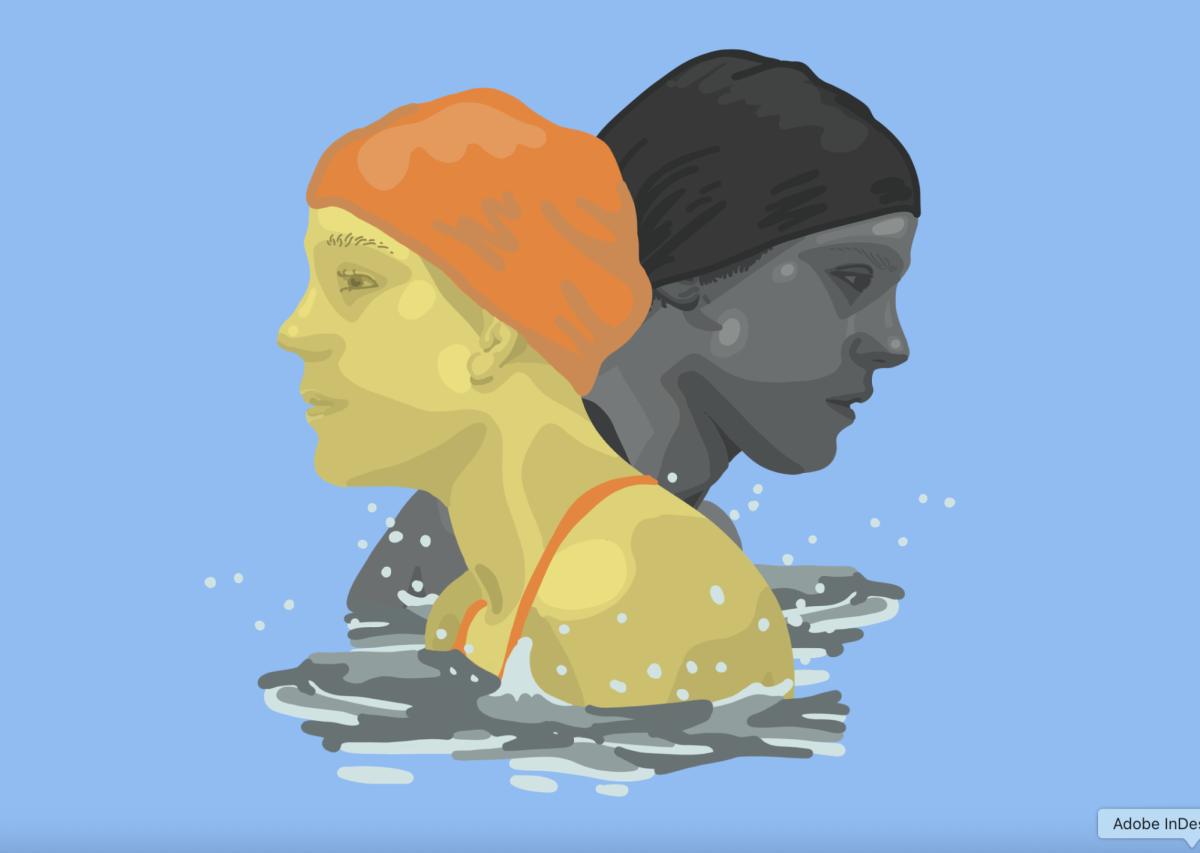
As a swimmer, I have found it difficult to accept the need for recovery. Swimming is constant and we rarely get breaks throughout the season. On days I have missed practice from exhaustion or sickness, I have most certainly experienced feelings of regret and guilt. Despite the absence of external pressure, I still carried a sense of anxiety. My thoughts raced through my head about the harm that taking the day off could cause.
From an early age, athletes, including myself, are taught that hard work separates the elite from the average. We are praised for pushing through the pain, finishing practices no matter how tired we are and showing up even when our bodies are broken down. Growing up hearing phrases like “No pain, no gain” or “No days off” crucially affected how I viewed recovery. Instead of valuing the fun in sports and balancing training with time off, we are told to continue to push ourselves outside of comfortable boundaries. While being able to push yourself is a good characteristic to have, it can be taken to the extreme and negatively affect performance.
What often gets overlooked is that rest is not the opposite of training: it is a vital part of it. According to the Sleep Foundation, athletes have a small checklist that must be completed to perform at their best. They train, eat healthy and make time for rest and sleep. If one of these is lacking, it can definitely impact overall performance. During training, the body, including muscles and tissue, gets broken down significantly. Muscles get torn up, energy runs low and everything feels sore and heavy. Thankfully, there are ways to restore our low energy and stiff muscles.
Sleep is one of the most fundamental ways to improve performance and overall health. When we sleep, we release growth hormones that support our bodies repairing muscle and help to fully recover. Without proper recovery, training will not translate into progress. What most athletes fear will happen during rest is actually what will happen without it. After a momentary pause in training, athletes can come back stronger, faster and more focused.
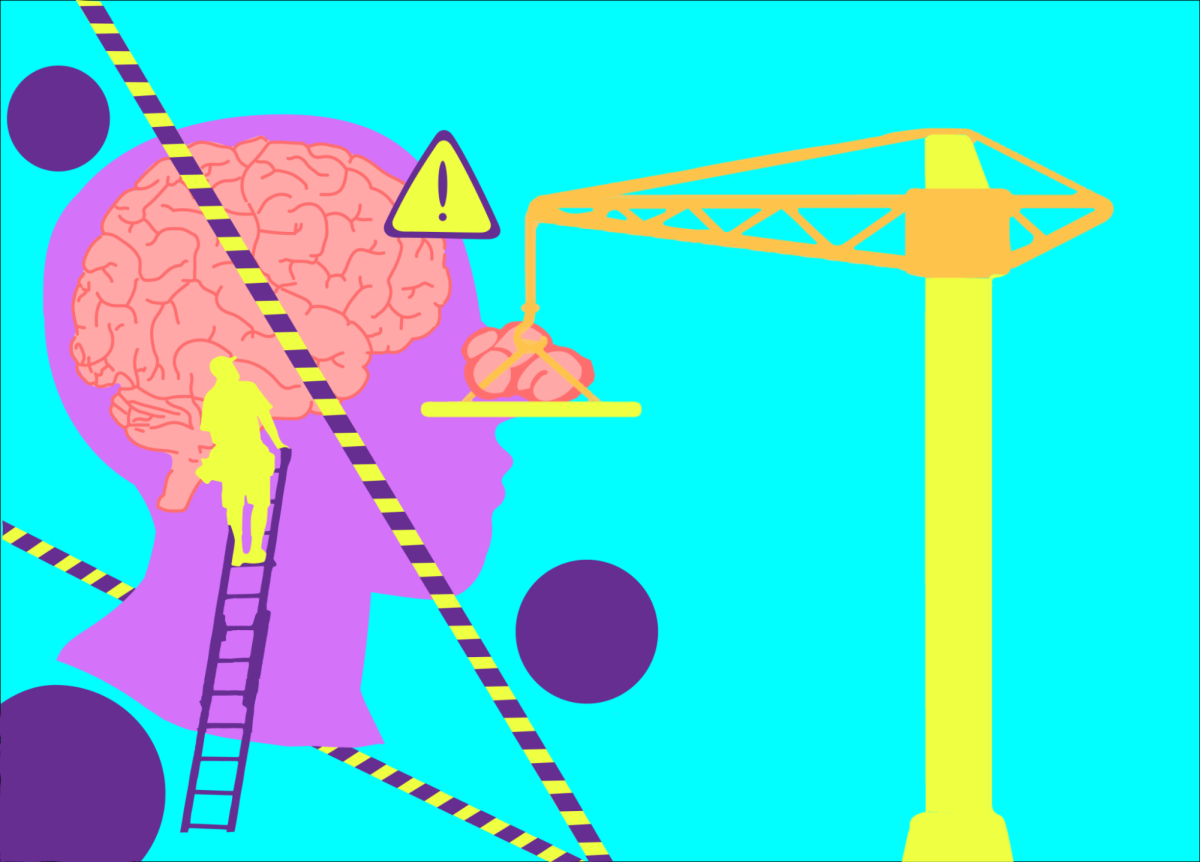
Beyond the physical benefits, rest is just as or even more important for mental health. Continuous conditioning can lead to burnout or even a loss of motivation and stress about expectations. The intensity of every practice can also heighten anxiety and cause mental fatigue which is something I have unfortunately experienced. The mental aspect of rest is usually overlooked because it is not something that can be measured or tracked. There is no immediate proof that rest is working, which makes it less valuable to athletes in a results-driven environment. I have learned that just because results are not instant, it does not mean you are not progressing. Rest gives us a chance to reset and gain a clearer consciousness going into the next practice ahead.
Rest is not something athletes should fear or avoid, but something we need to use as a tool to peak performance. For most of my life, I have viewed a successful athlete as someone who is always pushing hard, doing more and rarely taking breaks. The more I have learned through training, the more I have realized that that mindset is not realistic or manageable. As an athlete in high school, I have so many responsibilities on top of swimming. It is exhausting managing school, sports and relationships, but I have found utilizing rest to be an advantage. It has helped me recover physically, reset mentally and prepare for other challenges without unnecessary anxiety.
Rest does not mean you are not committed; it means understanding how improvement actually happens. Athletes in every sport deal with the same pressure to always be working their bodies past capacity. If rest is ignored, performance suffers and so does overall health. When rest is prioritized, athletes come back recovered and ready to focus without fatigue. Learning to rest is equally as essential as learning to train. If athletes are expected to perform long-term, rest needs to be seen as a part of progress. Rest is not weakness or laziness, but rather a necessary piece of success in sports.