

















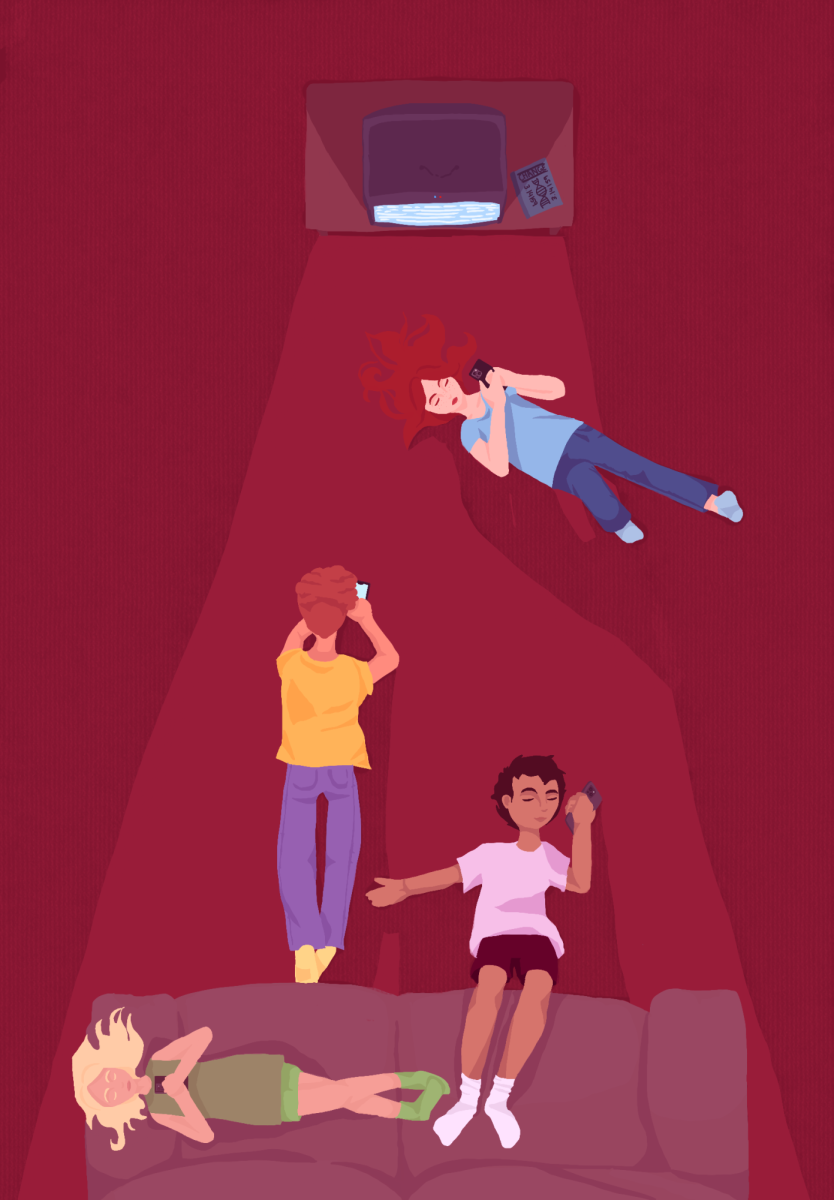




As a kid, opportunities for creativity were everywhere. Building blocks, coloring books, coming up with stories on swingsets. Creativity was not something I had to schedule or justify; it was just a part of life.
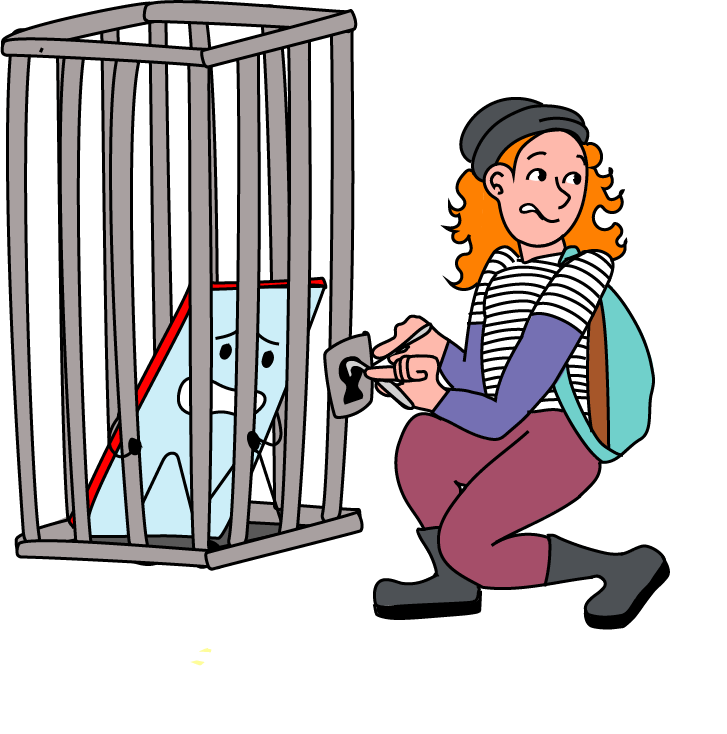
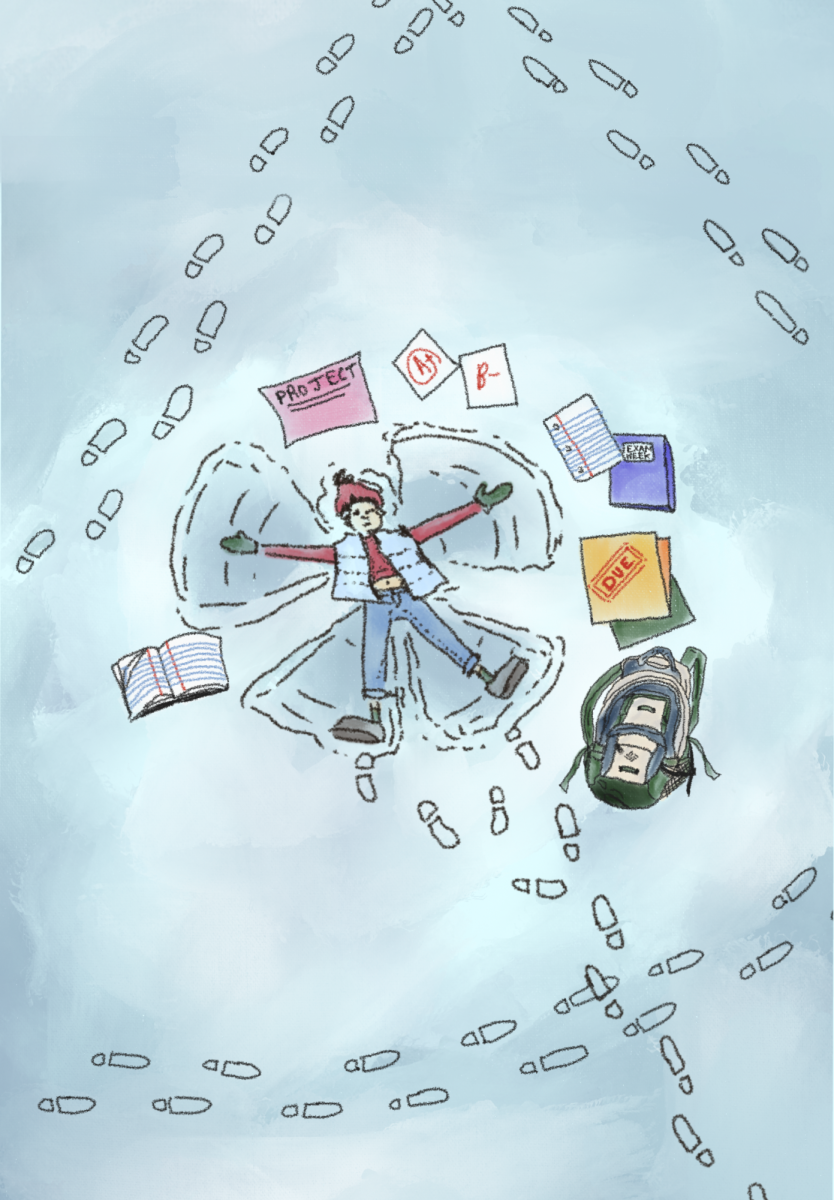
For the majority of high school, I have had one main goal: succeed academically. I did not really care if that success came at the expense of my hobbies, my happiness or least of all my creativity. Creativity is not going to get me into college. This is the mindset I carried every time I decided to prioritize productivity instead of personal fulfillment. Eventually, I stopped seeing creativity as something valuable, and started seeing it as a distraction.
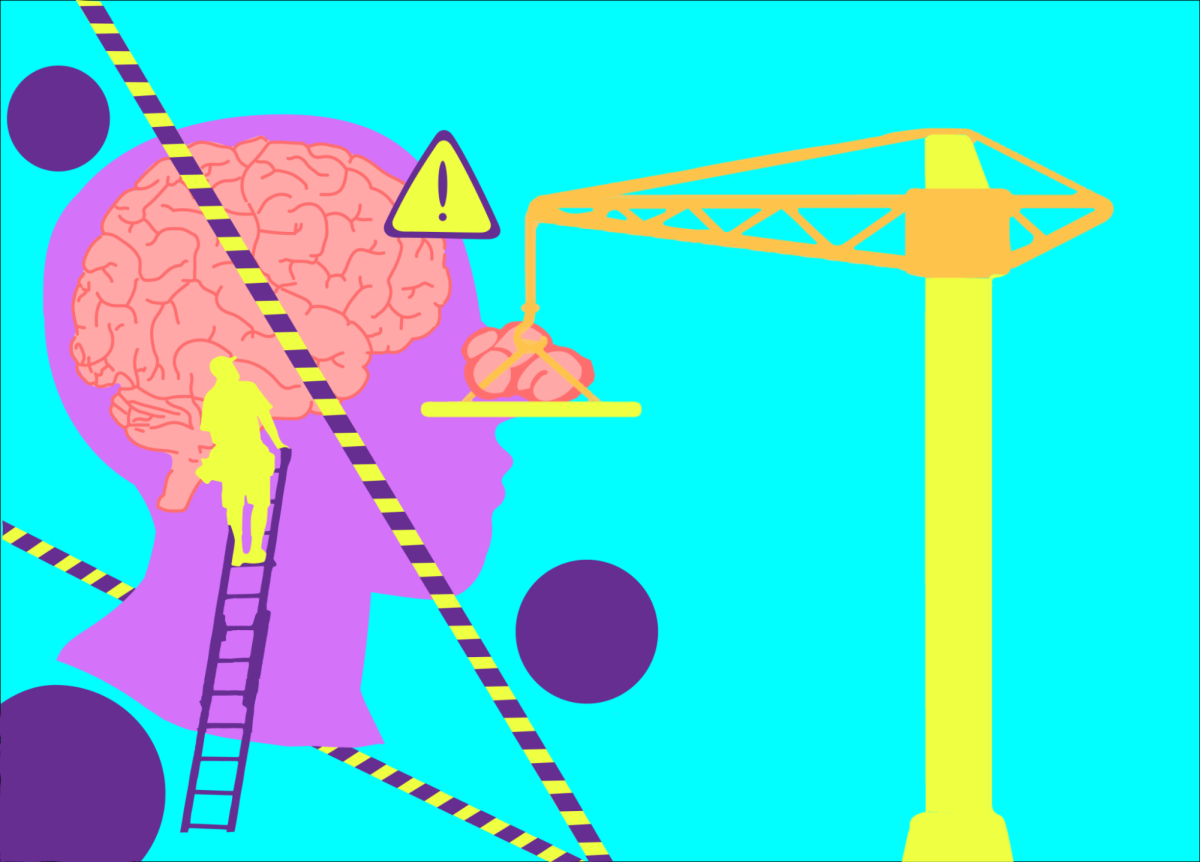
This mindset, while probably effective in boosting grades, came with its own consequences. It is easier to feel burnt out, less motivated and weirdly disconnected from the things that used to bring me joy. By focusing so narrowly on success that can be measured, I started ignoring the part of my life that had once felt so natural.
According to the American Psychological Association, “Creativity can lead to personal fulfillment and positive academic and professional outcomes, and even be therapeutic.” This challenges the idea that creativity takes away from success. In reality, creativity enhances the way we think, problem solve and even how we cope with stress. Ignoring creativity does not make us more productive or efficient. It actually makes us less balanced.
Trying to be more creative does not mean suddenly writing a book or painting a masterpiece. Creativity can start small, like doodling in the margins of notes, journaling for a few minutes or even just trying to approach everyday situations and problems in a different way. It is not about perfection or recognition; it is about making space for curiosity again.