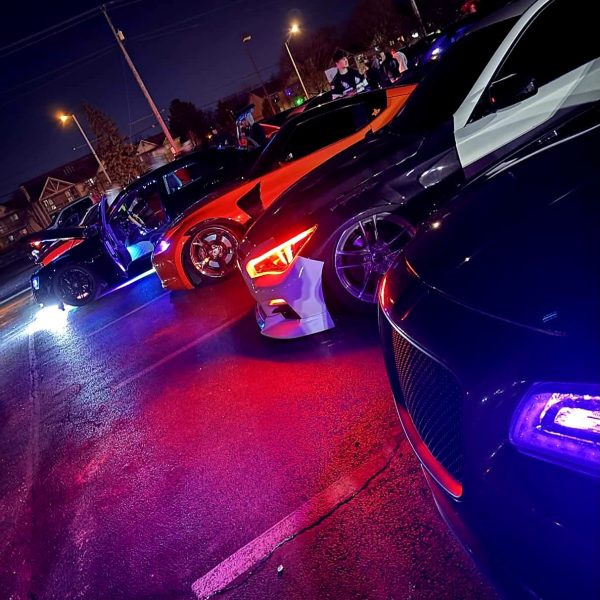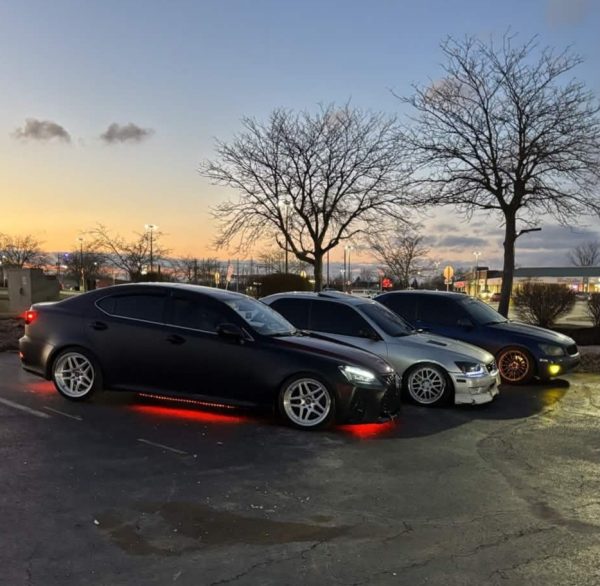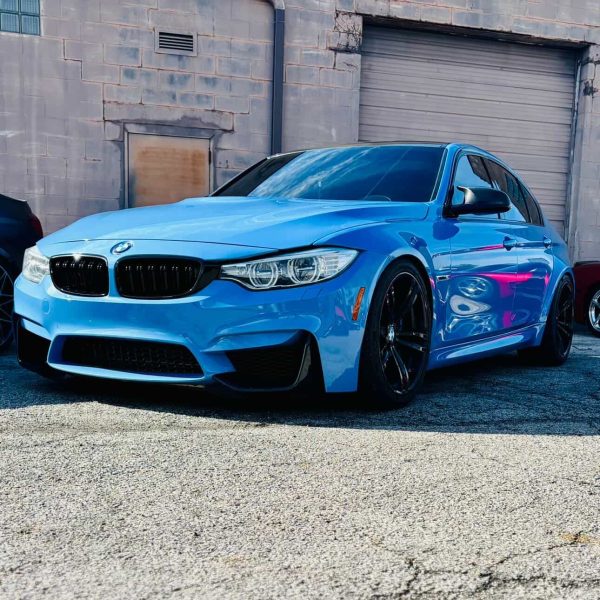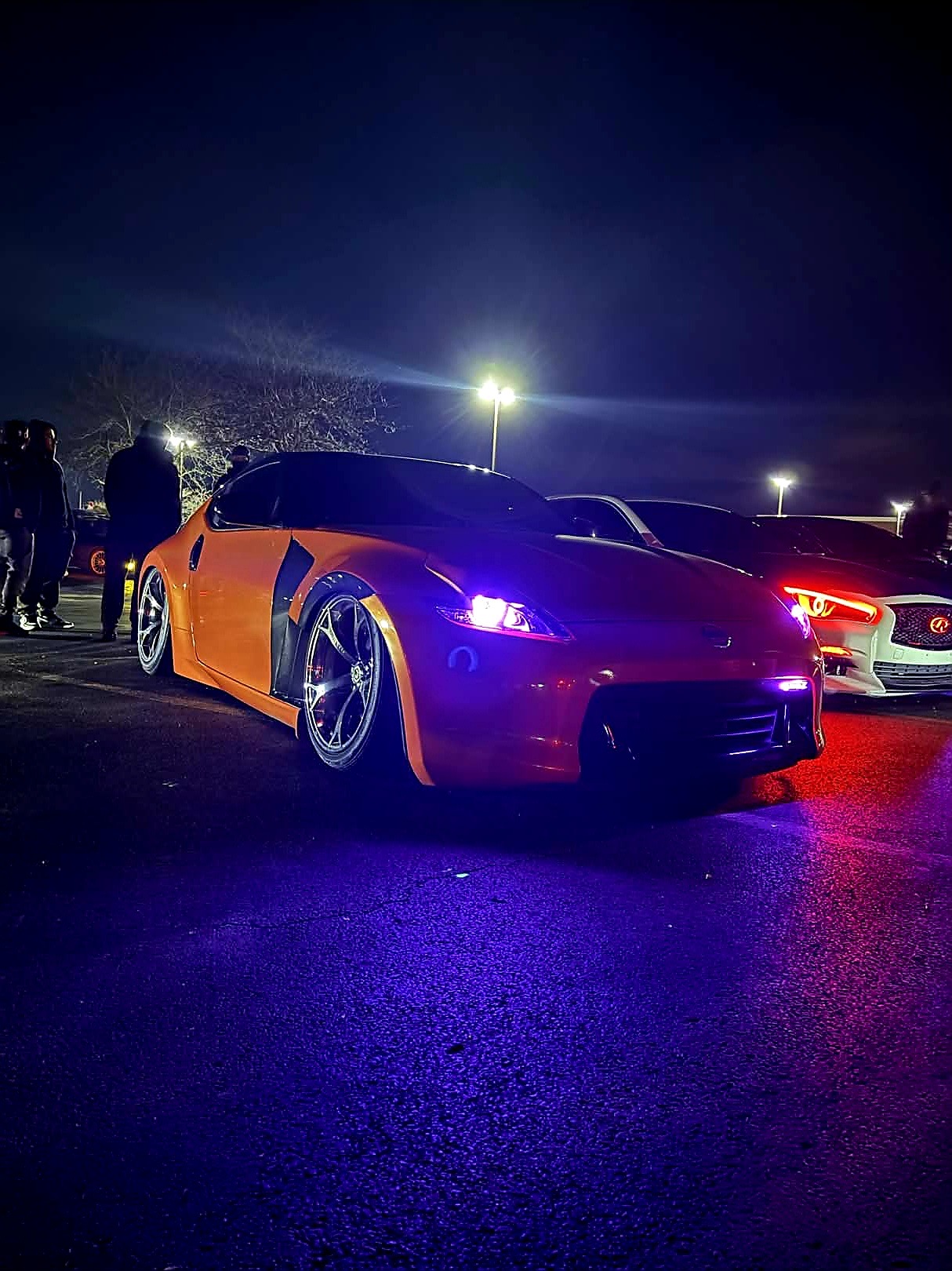

The Columbus car scene has evolved from a niche hobby into a major cultural fixture for many Columbus and Upper Arlington locals. With groups that take to the night for pop-up meets like Liquid, Established and NoLimits, who tend to focus more on night culture and cruising or racing, and groups that establish more of a morning social gathering experience such as Route Stars, Cars & Coffee or Cars & Condos. While mostly dismissed by the public as an annoyance, these meets serve as a social outlet for people who put a lot of time and money into making their car unique. However, the current climate is defined by a growing conflict between young enthusiasts and local law enforcement that suggests the city’s current approach is failing both the public and the enthusiasts.
As the Columbus Police Department intensifies its crackdown on street takeovers and unauthorized meets from groups like Takeover Columbus or Ohio Takeover through actions like Operation Burnout—which led to 186 arrests and 70 impounded street race cars—some students argue that the city’s tactics fail to find the line between dangerous, reckless driving and peaceful community gatherings. This aggressive stance often targets individuals based on the appearance of their cars instead of criminal behavior, leading to a break in trust between the youth and the police.
For UAHS students, meets come to Griggs Reservoir many times a month, but attending a meet often involves more time monitoring police presence than engaging with the community. The most common complaint among drivers is not the presence of police, but the aggressive tactics used to disperse groups that are not violating any moving or safety ordinances.
UAHS junior Lindsay Bell, who frequently attends Columbus meets, believes the current police handling of these events creates unnecessary tension rather than fostering safety.
“As soon as a group of cars with mods pulls into a lot, police cruisers start circling immediately,” Bell noted.
She explained that officers rarely initiate a conversation but instead begin issuing dispersal orders or searching for minor modification infractions to ticket, looking for excuses to shut it down and pull people over.
“It feels less like safety and more like harassment based on the culture. I realize there are bad people in the scene who do stupid [stuff], but the majority of us just want the community,” Bell said.
This sentiment is echoed by car enthusiast, and frequent meet attender, Landon Gilbert, who argued that heavy dispersals often have the consequence of pushing the scene into more dangerous, unregulated areas.
“When police shut down a well lit, safe parking lot where people are simply socializing, the meet doesn’t end; they just move it further out,” Gilbert said.
He explained that groups often move to backroads or industrial parks where there is no lighting or supervision. In his view, the current method of handling meets is actually making the situation worse for everyone involved.
The city’s current strategy remains purely reactive, focusing on punishment rather than management. Rather than continuing a cycle of citations and impoundments that has failed to deter the culture, Columbus and Upper Arlington alike should implement a solution by creating a designated, city-sanctioned space for car meets and controlled exhibitions.
A space for the culture would allow for a controlled environment equipped with barriers, emergency access and proper lighting, which would effectively remove the unpredictability of pop-up meets in retail lots.
Furthermore, by moving the scene to a designated industrial or non-residential area, the city could eliminate noise complaints and traffic blockages in residential neighborhoods.
This would also allow police to transition from an opposition, one where car people are encouraged to avoid or even run from, to one that has a relationship with the culture, where officers could staff these zones to ensure safety, and check for valid licenses.
Critics often argue that providing a space for this culture only encourages a takeover mentality. However, the reality is that prohibition rarely works when a community is this deeply established. Most students involved in the scene are not looking to cause property damage or endanger the public; they are seeking a space to share their passion.
By creating a legal outlet, the city can effectively separate the individuals looking to block intersections for clout from the actual enthusiasts who have invested thousands of dollars and hours into their builds. Law enforcement should transition from a policy of harassment to one of facilitation. Until Columbus provides a legitimate field for these enthusiasts to play on, the conflict will continue on our streets, and that is a situation where neither the city nor the students win.