






















A candle-lit table, sparkling apple cider, a sizzling turkey and the smell of Thanksgiving dinner wafting through your household. Green bean casserole, stuffing, cranberry sauce – a taste of familiarity.
For many, Thanksgiving is just what it sounds like: giving thanks, sharing what you are grateful for and spending time with your family. It has been one of the most cherished American holidays, infused with tradition and gratitude. For generations, it has revolved around home-cooked meals and family gatherings. Maybe your family’s favorite part of the day is watching the Macy’s Thanksgiving Day Parade and The National Dog Show, or maybe it’s tossing a football in the backyard. Maybe you join the Turkey Trot every year, or perhaps you look forward to decorating for Christmas the next day. Or maybe your favorite part is solely surrounding yourself with the people you love.
The people you surround yourself with don’t have to be your blood relatives, though. Recently, a new take on Thanksgiving has been popularized: Friendsgiving. It blends the words “friends” and “Thanksgiving,” giving the traditional holiday a modern twist. It typically occurs on the weekends before or after Thanksgiving, particularly for young adults. The point of Friendsgiving is to do just that – give thanks – but instead with your chosen family. Many people would admit that their friends are the support system they rely on, so why not have a day to celebrate both?
Thanksgiving is a holiday rooted in American culture and history, and a time when extended families come together to share a taste of comfort and nostalgia. For some, though, the holiday season can quickly become stressful and heavy with obligations and expectations to live up to. Sometimes, spending some time away with your friends is exactly the balance you need to honor traditions and rekindle important bonds. For others, it is not about the stress or the family narratives, but about celebrating your community in general. It does not have to be about blood ties, but more about choosing who to be thankful for.
Formality and tradition are another key difference between the two “giving” days. Thanksgiving typically has established traditions: the same foods are brought yearly, and the same people typically participate in the same things. Things are done the way they always have been.
Friendsgiving, however, can be more laid-back and casual. You pave the way for how you want the event to be remembered. Each member can participate by bringing whatever they want, whether it is a traditional meal or a new take on their favorite treat. You can create your own take on the holiday and how it should be spent: your personal touches and shared stories build the celebration. No obligation, just bound by each other’s friendship and love.
While Thanksgiving emphasizes family ties and tradition, Friendsgiving focuses on friendship and shared memories. They share similar themes of gratitude and connection, but differ in their traditions and the community that is brought together. Both occasions revolve around taking a break to really understand what you are grateful for and appreciating the people and the blessings in your life. It is becoming more common for people to participate in both. Thanksgiving is spent with your family, and Friendsgiving is spent with your social circle. Together, they create a picture of community and recognition of the loved ones around you.
And don’t get me wrong, I am not arguing that Friendsgiving should replace Thanksgiving, nor that one is more important than the other. I am arguing for the importance of both, which lies in who you surround yourself with. I think the tradition and familial aspect of Thanksgiving is beautiful, but that it can be just as meaningful to make time to celebrate all the people in your life, there is to love – the family you are born into and the family you build and keep close.
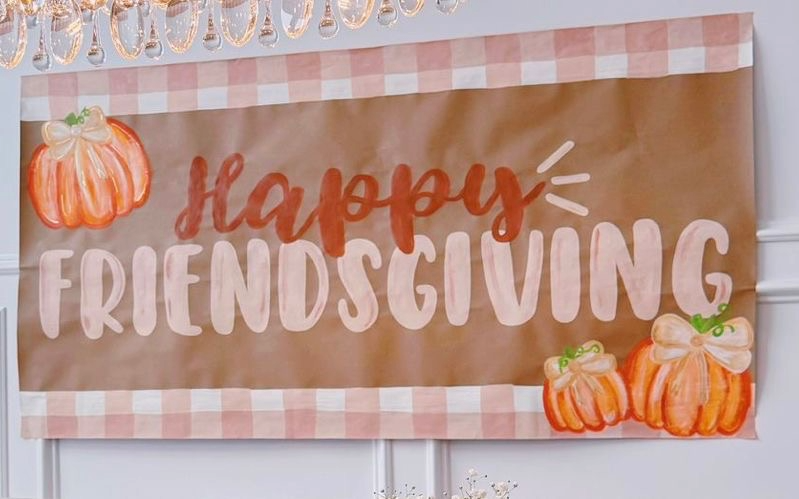
We already know the tradition, heritage and family ties that Thanksgiving represents, while Friendsgiving emphasizes modern connections and a self-made community. While rooted in differences of history and more recent gatherings, both capture the same spirit of thankfulness that make late November such a meaningful time of the year. Whether you are passing the mashed potatoes in your grandparents’ dining room, or taking pictures under your Friendsgiving banner, both of these celebrations remind us of the importance of time. Shared laughter, a potluck of delicious food and gratitude for the people who make the event so meaningful.