Teenagers and parents are complicated. Every relationship is different, and every family has different priorities. Some families are close and some are more distant. Some families are encouraging and some are disinterested. In the world today, families can come in all shapes and sizes. Still, there is a growing trend that is hard to ignore: helicopter parenting.
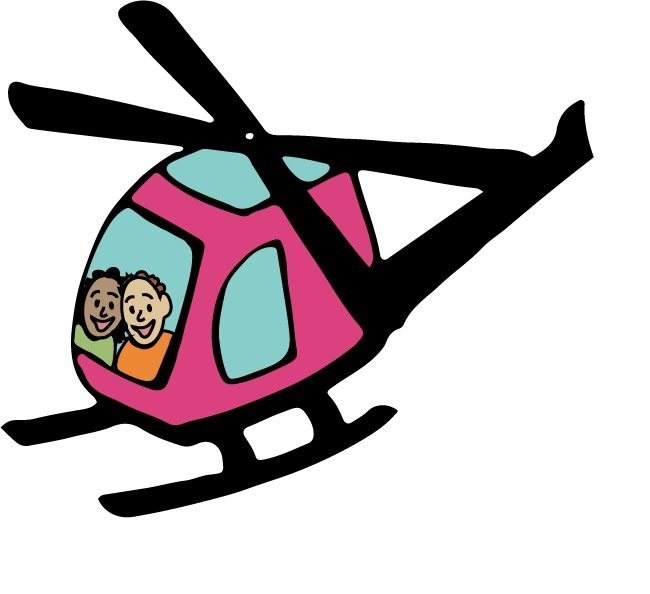
“Helicopter parenting” generally refers to parents who hover over their children, taking an excessive interest in their lives. Helicopter parenting often leads to micromanaging. The goal of helicopter parents is to protect their kids from failure and disappointment, but this can ultimately lead to a lack of confidence, independence and life skills. Today, helicopter parents have more resources and access to their child’s education, sports and social lives than ever before. It is important to remember that even when it comes with good intentions, obsessive oversight is not healthy for anyone.
According to the majority of developmental scientists and psychologists, there are four main types of parents: authoritative, authoritarian, permissive and uninvolved. These parenting styles are not mutually exclusive, and most parents don’t fall into only one category. The ones most often associated with helicopter parenting are authoritarian and permissive. Authoritarian parents set expectations and rules for their children, prioritizing control and conformity, leaving little room for a child’s own autonomy. Permissive parents have very few rules and expectations, often behaving more like a friend to their child rather than an authority figure. Permissive parents avoid conflict and typically try to make their kids as happy as possible.
Helicopter parents are confusing. They have big expectations for their children and are highly involved in their day to day lives. They are authoritarian in the sense that they have big goals for their kids and measure success based on what they believe it looks like, but permissive in their motivation, which is often to make their child happy. Where helicopter parents fail is in the way they go about it. They typically try to know as much about their children as possible, so they can attempt to make their lives as successful and easy as possible in all areas. This sounds nice on paper, but has many negative repercussions in real life.
Helicopter parents often closely monitor education, trying to maximize their child’s achievements, which can include frequently emailing teachers and obsessively checking on grades and assignments. These parents often intervene at times when their student should handle things independently and by doing so, they rob their children of life skills they need, like communication and problem-solving.
With technology today, parents have access to a larger portion of their kids’ lives than ever before. It’s easy to monitor grades, internet search history, location and text messages. Your parents checking Powerschool everyday and Life 360 every time you leave the house is not fun. Monitoring can be okay in moderation and with the child’s knowledge, but when taken too far, it can feel very suffocating for kids, especially for teens who need to be gaining life skills and independence. When your parents are constantly going through your devices and checking on your life, it’s easy to feel like you have no privacy and trust in your relationship with them.
Clearly, helicopter parents are problematic for a multitude of reasons. The main one being that kids need to fail in order to grow. Helicopter parenting takes away opportunities for learning and development and doesn’t provide children the environment needed to develop confidence and independence. It can lead to anxiety when kids do become adults and do not know how to be their own person. Helicopter parenting can also fracture the relationship between parents and kids as the kids get older, and often grow resentful with their parents because of their lack of personal autonomy and trust.
I don’t know the best parenting style or anything about what being a parent is like. But I do know what being a teenager is like. I know what it’s like to want my own space – not because I want to shut my parents out, but because I need room to grow. Every child and teen needs different things, but trust and independence are important in every relationship. When you’re just learning who you are, you need the space and freedom to make mistakes and find your own way. As a teenager, it’s okay to speak up if you feel like your parents are smothering you or not allowing you to be yourself. While your parents may guide you, they should encourage, not control. You are an individual, and in a healthy relationship your parents should see you as an equal in building trust and achieving success.