Slang can be found everywhere – in classrooms, at dinner tables, on every social media feed. Every generation has its own dictionary specific to them.
According to Preply.com, around 98% of Gen Z Americans use slang, with a reported 30% using it in the majority of their conversations. But what is the purpose of slang? Why is it so important?
Kathryn Campbell-Kibler, an Associate Professor in The Ohio State University’s Department of Linguistics, shared her insight into what exactly slang means.
“[Slang typically means] words or phrases that are popular with young people, particularly teenagers or young adults. This kind of [slang] usage is often associated with really rapid change. A phrase that’s really popular will only get used for a few months or years before it [becomes] less popular and then something new comes in,” she said.
The constant evolution of slang is something students have noticed throughout the past few years.
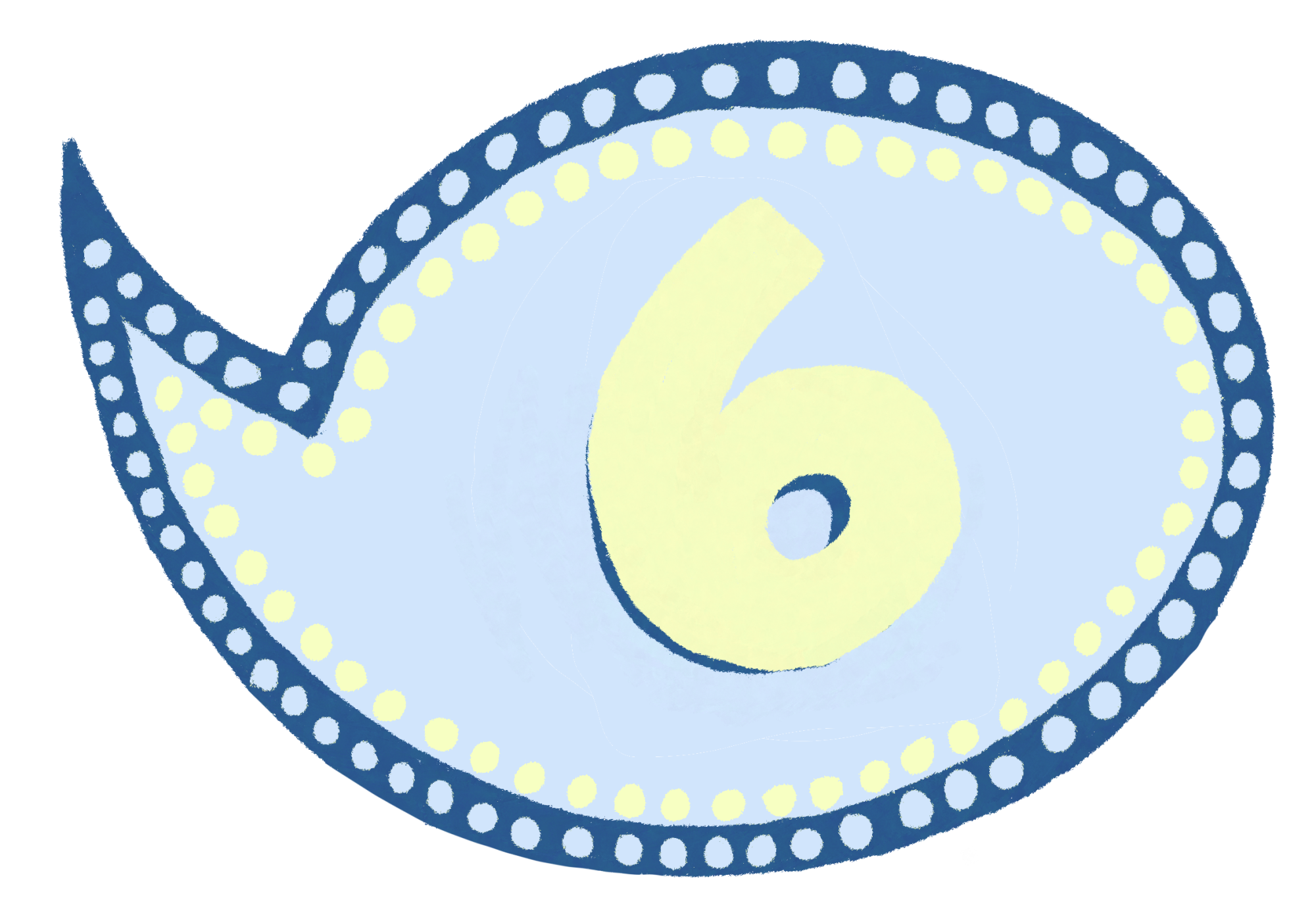
“Slang definitely changes fast, like in middle school we were talking about skibidi, and now we’re saying 6-7,” junior Ivan Medina said.
But slang is not just about keeping up with new words or phrases. Its real purpose lies in building connections.
“I think people use [slang] to make more friendships,” Medina said. “Like if you walk into a class and use slang and one person thinks it’s funny, then boom, you become friends.”
This statement was echoed by Campbell-Kipler.
“It’s like, here’s this group activity almost, like we’re being trendy now, and here’s the trend. I think that is pretty important to how people build culture,” she said.
The sense of belonging people find through slang spans generations.
“Every generation has their own slang that they use or used, and I think it does help build [a sense of community],” UAHS Media Specialist Amanda Viau said.
While the purpose of slang is shared between generations, when older generations use
today’s slang, there can sometimes be a disconnect.
“Sometimes when [older people] use [current] slang there’s this sense of like, that’s not yours, you’re trying to use a meaning that doesn’t belong to you,” Campbell-Kibler said.
When it comes to teachers using slang, Viau believes it can be hit or miss.
“It can come off as very cringe, or like an inside joke if you have a good relationship with your class,” she said.
Even so, the cycle of slang – invention, adoption and its eventual abandonment – is nothing new.
“As far back as we have records about language, we have records of young people using forms [of words] that are different from what the older folks around them use, and we have records of people complaining about it,” Campbell-Kibler said.
Slang can be found in every culture and community, in UAHS and throughout the world. It appears to be as old as language itself, and serves as a timeless way for people to connect with their peers, develop a sense of belonging and shape the world around them.